
FSQ Climate Commitment
A note from the Fry Street Quartet
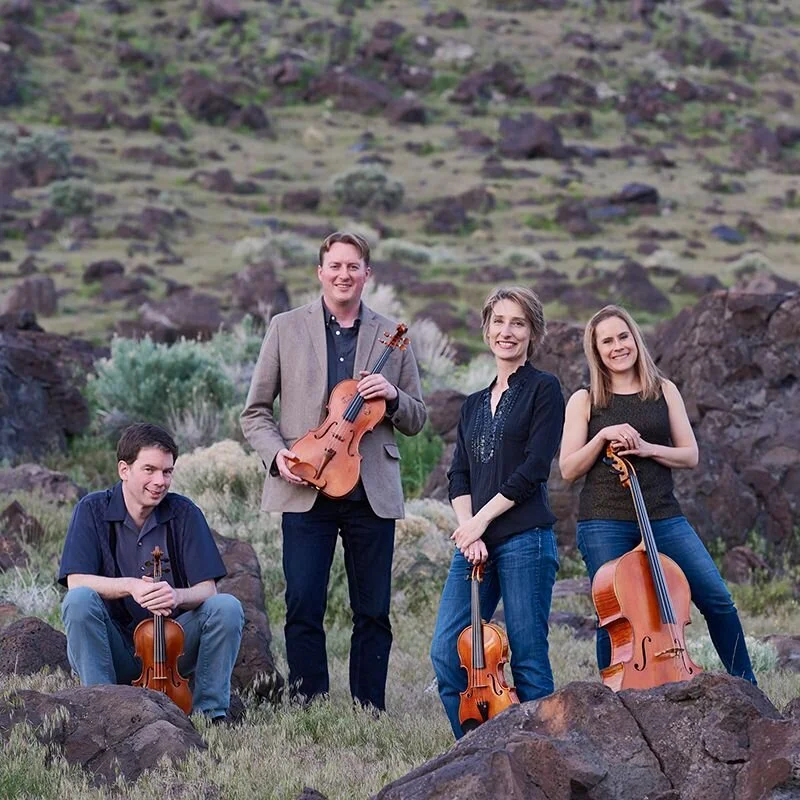
The Fry Street Quartet approaches the climate and ecological crisis not as a theme, but as a thread running through our music, relationships, and daily choices. Our long collaboration on The Crossroads Project sharpened our understanding of the crisis—not just in terms of carbon or collapse, but in the deeper ruptures of meaning, belonging, and responsibility it reveals.
In response, we’ve each made personal choices to try to live more sustainably—solar panels, permaculture gardens, electric vehicles, and worm farms among them. These are but small expressions of a deeper commitment.
Beyond these lifestyle shifts, we’ve sought to realign our relational stance. We’ve long asked how our work as musicians might help foster efforts to protect earth’s life support systems. Now we’re asking how we might more fully support the emotional and cultural capacity to face this moment together.
We recognize that concerts won’t halt climate change. But we believe music can open hearts, metabolize grief, and foster the collective courage we need to reimagine our futures. Projects like Rising Tide and Lek: Listening at the Edge invite audiences to listen differently—to the Earth, to one another, and to the thresholds we now face.
Our climate commitment is not a checklist. It’s a relational practice—one of presence, humility, and accountability. We are proud to join the growing number of musicians who recognize that our industry, too, must evolve. Platforms like Music Declares Emergency offer tools and solidarity for artists navigating these tensions.
We remain committed to:
• Speaking honestly about the climate and ecological emergency in our roles as artists and educators
• Tending our practices with ecological responsibility and regenerative intent
• Growing a body of work that listens to and reflects the living world—through ongoing collaborations with artists whose creations meet this moment with depth, vision, and integrity
• Connecting with fellow artists, community members, students, and educators to cultivate courage, inquiry, and capacity—so that our field might not only endure, but help prepare the soil from which something new can grow
There is no single solution.
There is only the invitation to live, make music, and listen with integrity—together.
For more of Rebecca’s writing on this topic, check out these links:
Chamber Music Magazine fall 2020 issue, Our Crises Are Connected by Gabriela Lena Frank & Rebecca McFaul, pg. 46
Chamber Music Magazine spring 2020 issue, Composing a Musicians’ Climate Citizenry by Gabriela Lena Frank & Rebecca McFaul, pg. 27
Connecting the Dots: The Role of the Arts in Unprecedented Times